A headless CMS is the flexible alternative to website builders like Squarespace or classic systems like WordPress. Content is captured once, in a structured way, and then appears everywhere: on the website, in an app or in the newsletter. We recommend independently which system your industry calls for. We build it, you maintain it yourselves.
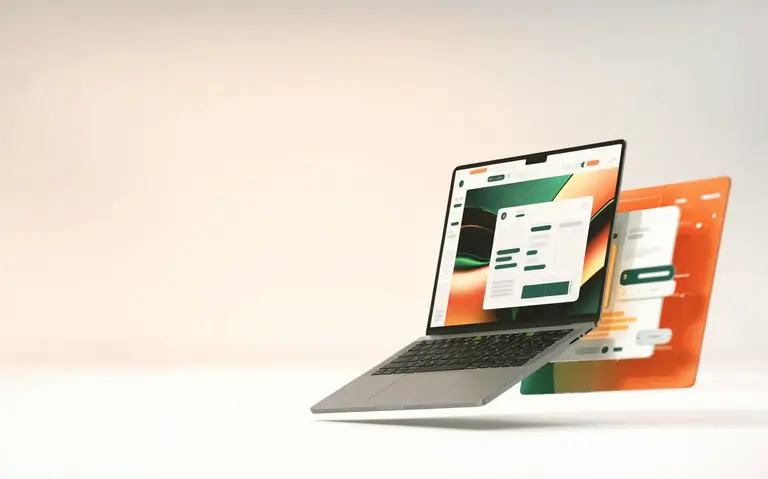
Headless CMS agency Switzerland: modern, flexible, easy to use
Sanity, Payload and Strapi for Swiss SMEs
What headless is built for
What a headless CMS makes possible
With built-in multilingual support, user roles, AI features and flexible extensions, it suits a wide range of uses. A headless CMS grows with you, without the website having to be rebuilt.
Sanity, Payload or Strapi
Which is the right headless CMS for your situation?
Each system page shows the use case, the evidence, the frontend combination, plus licence and data location.
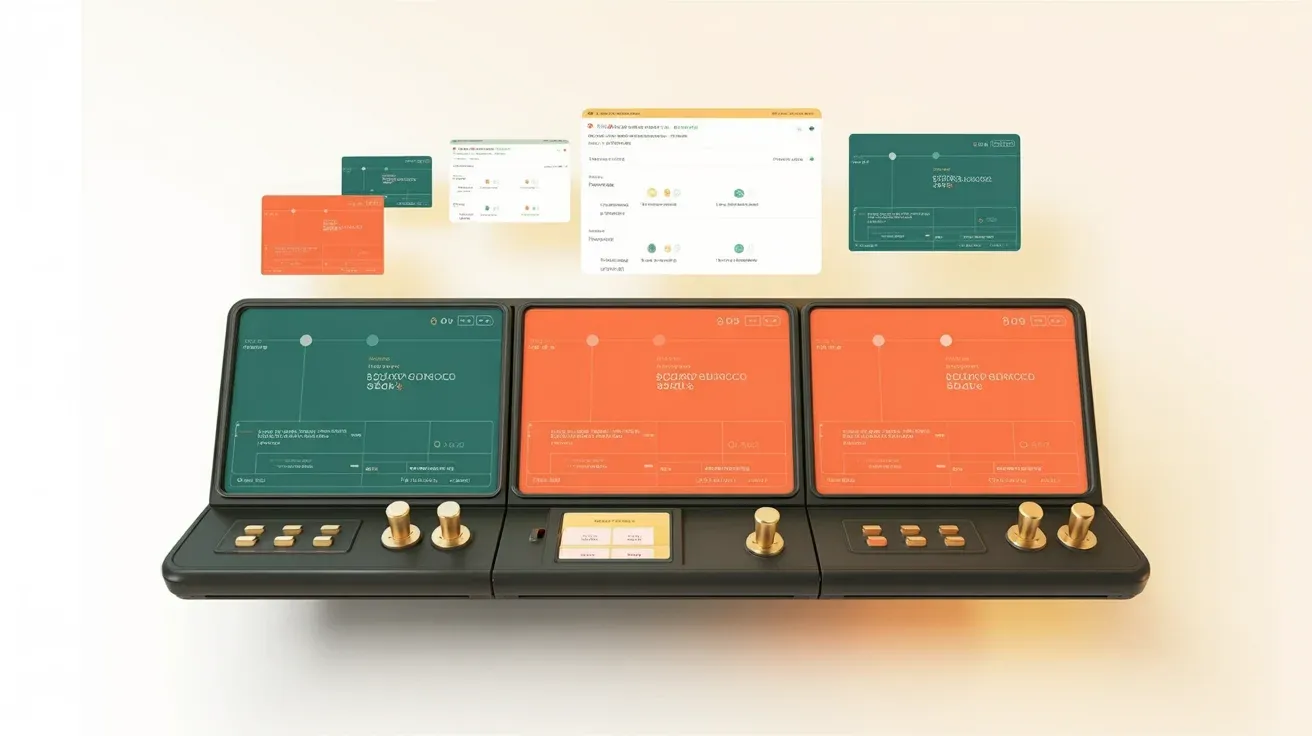
Sanity CMS
Fits when your team edits directly on the page and AI features matter day to day. Setup is quick; typical for tech companies and service providers with a lot of content.
To the Sanity page
Payload CMS
Fits when data stays on your server and the website needs its own application logic — calculators, application flows or customer portals, as engineering and trade businesses need them.
To the Payload page
Strapi CMS
Fits when roles and permissions need to change without a developer: Strapi sets them in its own interface. Or when a Strapi installation is already running and should continue.
To the Strapi page Sanity, Payload, Strapi
What sets the three systems apart
All three can be driven by AI tools through their interfaces. The difference lies in data location, editing experience and operating model.
| Sanity CMS | Payload CMS | Strapi 5 | |
|---|---|---|---|
| Data location | In Sanity's cloud, EU region selectable | On your server, including in Switzerland | On your server, including in Switzerland |
| Editing experience | Editing directly on the page, AI features in the Studio | Clean interface with live preview | Roles and approvals for editorial teams |
| Operating model | Sanity runs the content database; Studio and website through the service package | Self-hosted, supported through the service package | Self-hosted, supported through the service package |
| Licence | Studio open, backend proprietary | Open source, MIT licence | Open source, Community Edition |
| Frontend | Astro or Next.js | Astro or Next.js | Astro or Next.js |
Replacing systems that grew over the years
From Typo3 to headless
Social insurance funds, associations and public institutions replace Typo3 sites that grew over the years once updates cost more than a rebuild. The path is always the same: read out the content, transfer it into the new structure, editors approve. AI handles the transfer; the team only checks. The new structure follows life situations instead of the org chart: people search by their own situation, not by the department in charge.
The right CMS for every requirement
Built by Noevu, maintained by the teams
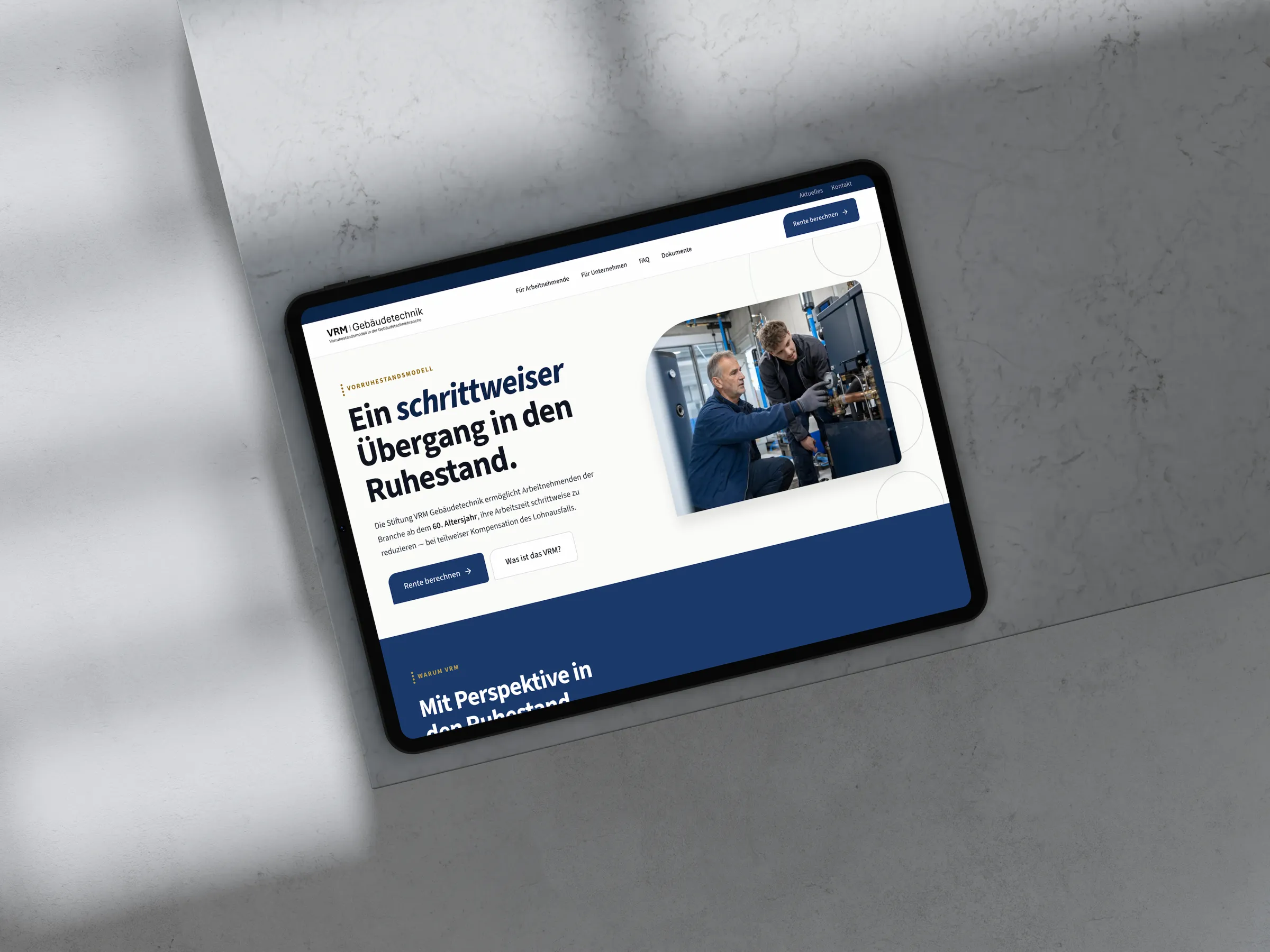 Payload CMS
 A pension foundation in building technology
A pension foundation for the building-technology trade: an early-retirement scheme from 60, run together with the GAF. An interactive pension calculator, 118 searchable questions and content in three languages on Payload, on a Swiss server.
VRM case studyCase study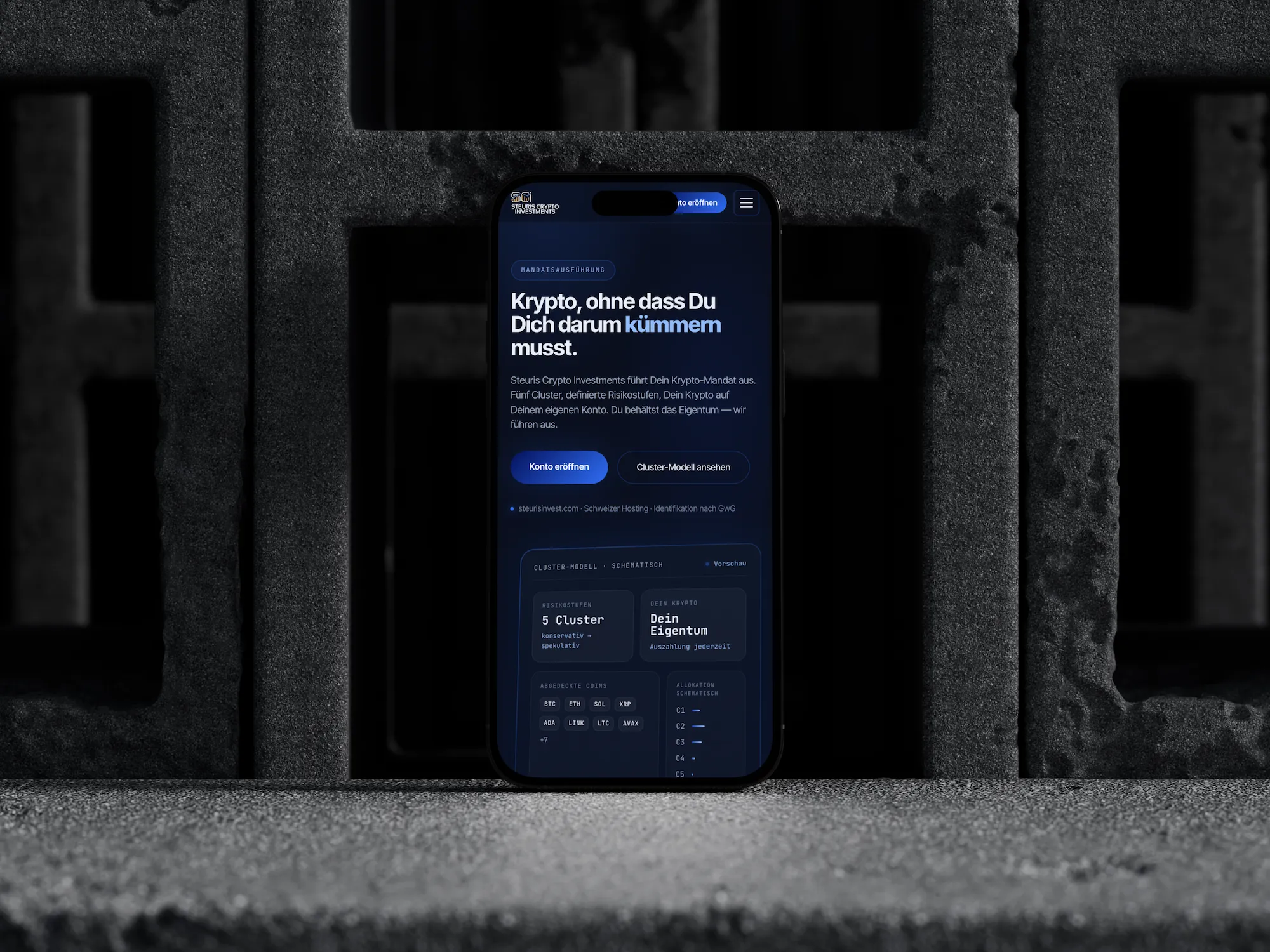 Payload CMS
 Crypto investment: Payload
An investment platform with customer accounts, market data and multilingual content in one system. Live, on a server the provider controls.
 Strapi 5 CMS
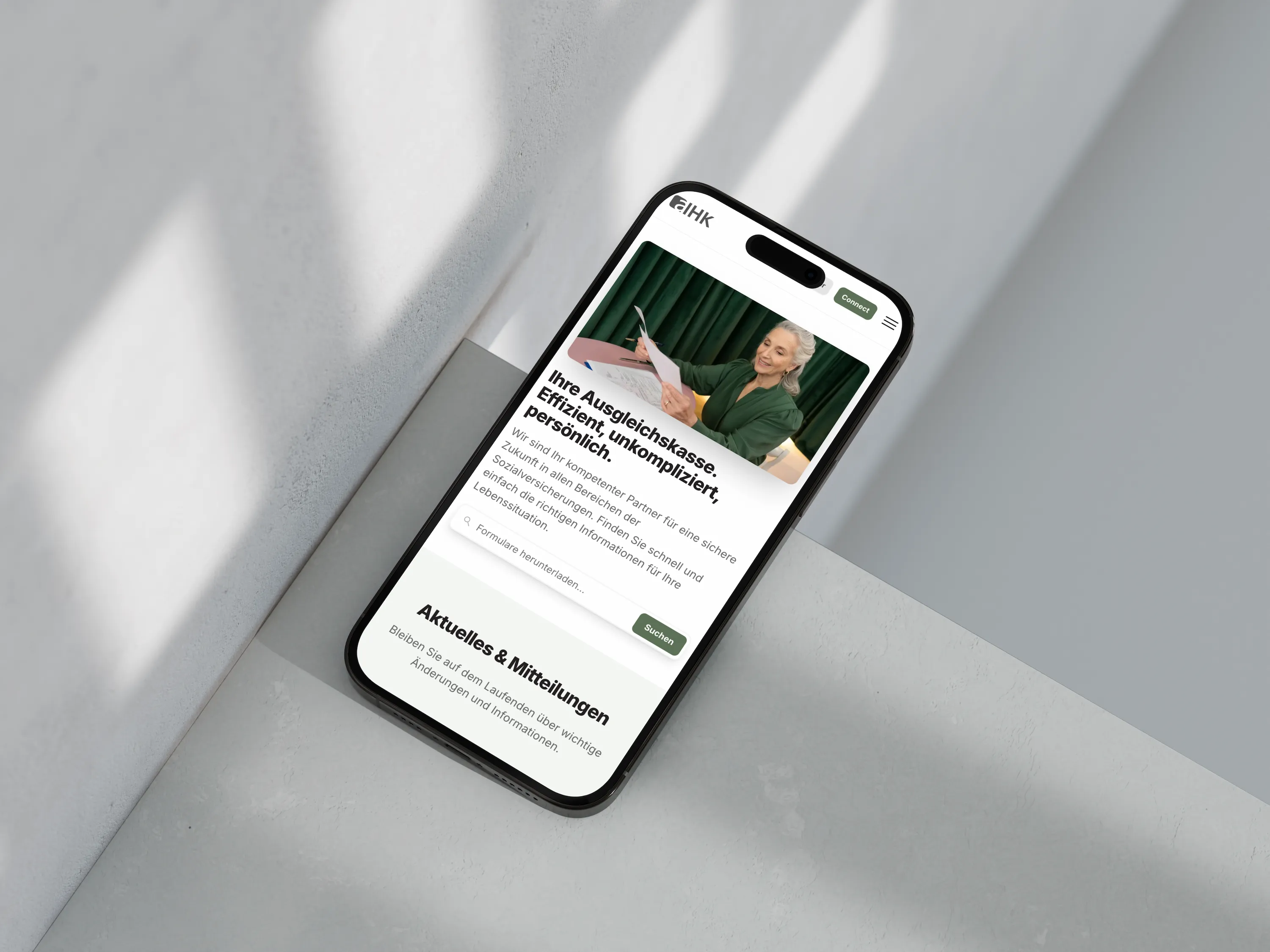
 Social insurance: AHV AIHK
From a Typo3 site that grew over the years to Strapi with roles and approvals for the editorial team. Structure by life situation instead of the org chart.
AIHK case studyCase study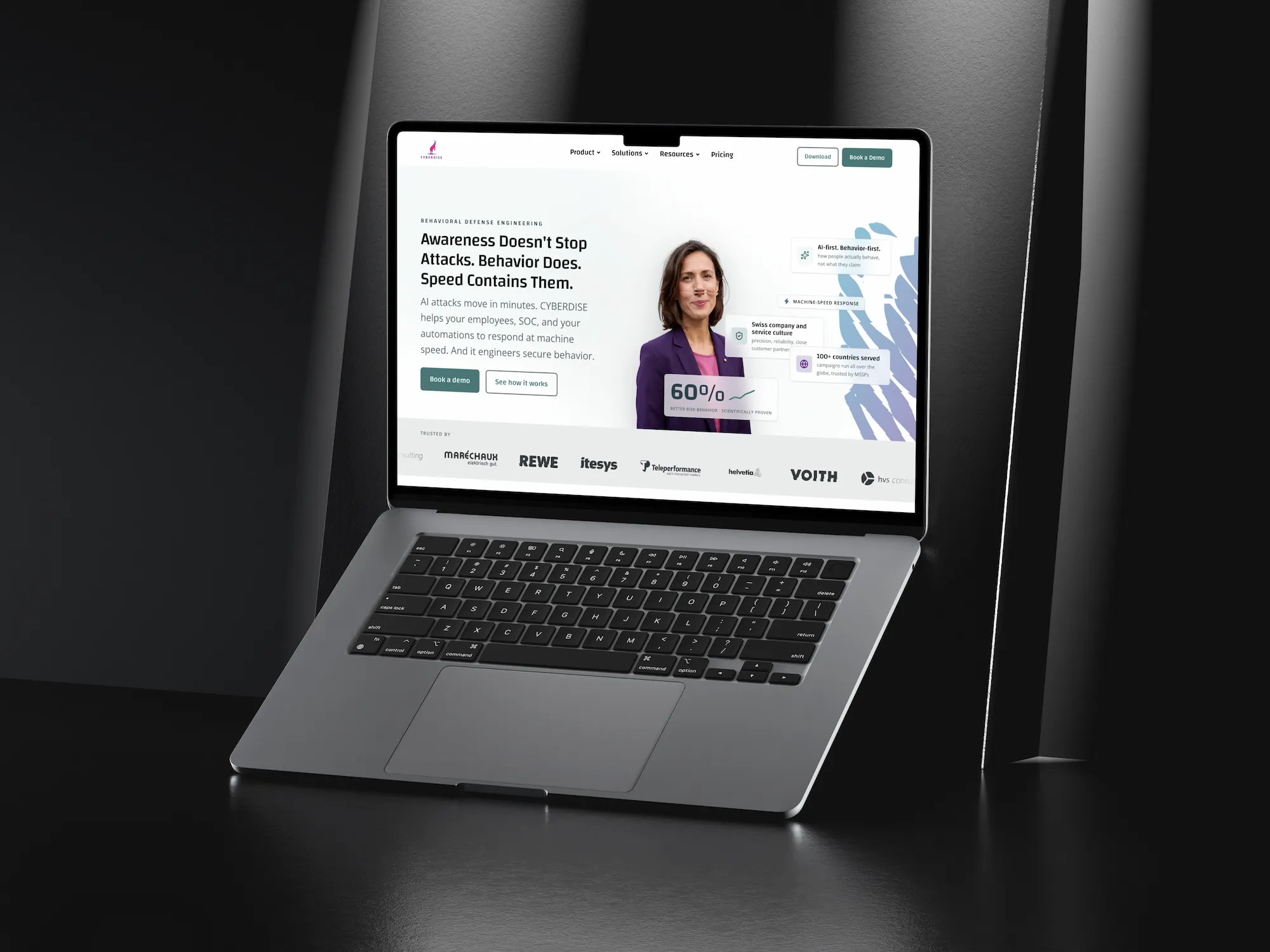 Sanity CMS
 Cybersecurity: Sanity
A security provider whose team edits content directly on the page and publishes fast with AI features in the Studio.
The visible website
Astro or Next.js up front, your system behind it
The visible website is built with Astro or Next.js — your choice with Sanity and Payload, Astro with Strapi. Both ship finished pages, so the site stays fast even with a hundred pages. Which path suits you is on the custom website design overview.
Whatever the system
What you always get at Noevu
 Design
 A custom design, not a template
Grid, colours and type are built for your brand and stay fixed afterwards — the appearance stays consistent no matter who writes.
 Speed
Speed Finished pages, fast to load
Finished pages instead of rendering in the browser: fast and search-friendly, even on a phone on the go.
 Languages
 Multilingual from day one
German, French, Italian or English from one interface, with the translation status always visible.
 Data sovereignty
 Swiss servers where required
Payload and Strapi run on your own infrastructure; Sanity stores in the EU region. You decide what your industry demands.
 Operation
 Your team maintains it
After the build you need no developers: pages, news, images and translations are handled by the editorial team, with preview.
 Service
 Adjustments are included
Smaller changes and further development are covered by the service packages. The systems are monitored proactively and with AI support.
The process
Four steps to your headless CMS
Analysis and system choice
Listen, sort, recommend.
It starts with your requirements. Three questions frame the decision: where the data lives, who maintains the content, which workflows come into play. From that follows the recommendation for Sanity, Payload or Strapi — with reasons, so you can follow the decision. A written fixed-price offer comes with it.

Content model and prototype
See what is being built — before you sign.
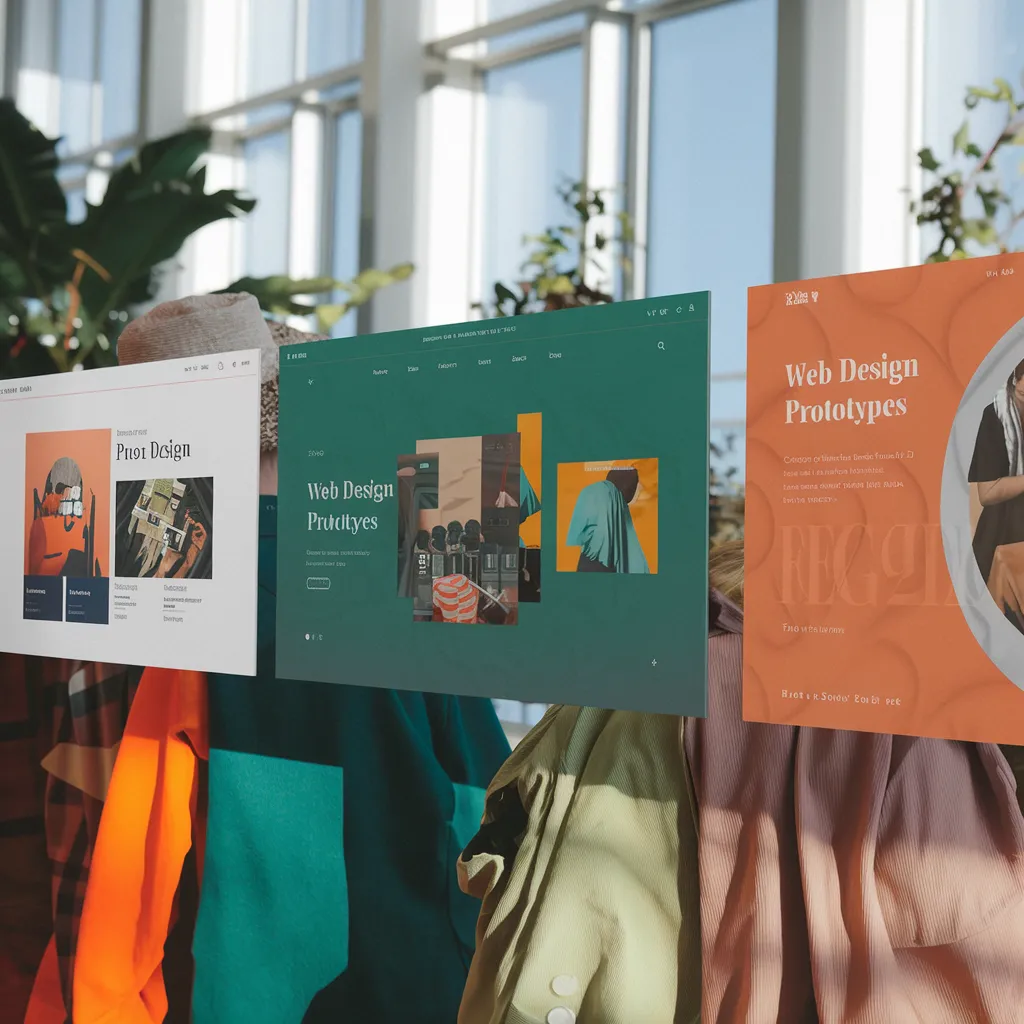
Your content shapes the structure: which page types, which fields, which languages. In parallel, a clickable preview of the website grows — genuinely built and usable in the browser. You see what your customers will see and decide on that basis. The preview comes before the signature, not after.
Build
Build and migrate the content.
Now the editing interface, the design frame and the visible website in Astro or Next.js take shape. AI carries existing content from the old system into the new structure, up to an entire website — the team only gives final approval. The functions around it take shape in the same step: a search across FAQs and fact sheets, forms, calculators, PDF generation or an appointment calendar.
Handover and operations
Your team takes over.
After a short introduction, your team maintains posts, pages, images and translations itself. The design frame protects the look. Hosting, updates and security run through the service package; smaller adjustments and enhancements are covered without extra budget. AI-assisted monitoring reports problems before anyone notices them.
The right headless CMS for your next project.
Sanity, Payload or Strapi: which system fits your data, team and budget becomes clear in a 30-minute call. A recommendation with reasons and a written fixed-price offer follow.

Brilliant — I'm really happy, the site looks fantastic. After an intensive and exceptionally productive collaboration everything runs smoothly; the new website presents the foundation in a modern, accessible way. Many thanks for the enormous effort — much appreciated.
Articles on content management systems
Expert knowledge on headless CMS, Sanity, Payload and Strapi.
Comparisons, costs and project experience — for SMEs that choose their content management system deliberately.
ArticleWeb design12 minPayload CMS: The Headless CMS for the AI Age — and Your Data Stays in SwitzerlandPayload CMS openly positions itself as the headless CMS for the AI age — with built-in AI features and an open interface for AI assistants. For an SME, what matters is not the hype but what remains…
ArticleWeb design12 minStrapi CMS: The Open-Source Headless CMS for Swiss SMEs — and When It Pays OffStrapi CMS is considered the open headless system for teams that want full control over their data. The more important question comes up in operations, though: who builds the system, and who runs i…
ArticleWeb design11 minSanity CMS: Flexible Headless CMS for Professionals — and When It's Worth It for SMEsSanity CMS is often touted as the most flexible headless CMS on the market. In practice, flexibility alone is not a decision criterion. This article helps you assess whether Sanity fits your SME — …
 Guide
GuideWeb design16 minHeadless CMS — What Makes Sense, What Doesn't and Which System Fits Your BusinessYour content management system is the foundation of your digital presence. But while WordPress and similar platforms are hitting their limits, more and more companies are adopting Headless CMS — an…
 Tool
ToolConsulting & conception9 minCMS Check for Swiss SMEs – Free comparison 2026The free CMS check compares Sanity, Payload, Squarespace and WordPress against your company's requirements. Fifteen questions and about five minutes later, you have a recommendation and the reasons…
All CMS articles Answers to common questions about headless CMS:
What is a headless CMS in one sentence?
A headless CMS manages content separately from the website that displays it. Texts and images sit structured in the editing system; website, app or newsletter fetch them through an interface. For you that means one source for every channel, a fast website and input forms that match your workflows. The background is explained in the article Headless CMS: what makes sense, what doesn't and which system fits your business.
Who is a headless CMS not worth it for?
Small websites with a few pages and a handful of changes per year. Setting up a headless system is agency work and costs more than a website builder. Content structure, input forms and the visible website are built specifically for you. If that does not pay off at your size, a website builder fits better; the Squarespace page shows when. Your team's technical background plays no role in the decision. After setup, it handles the daily work with posts, pages and images itself in any of the three systems.
Who maintains the content day to day?
Your team. After setup, the editors work in a browser interface: creating pages, changing texts, uploading images, approving translations. The design frame is predefined, so the look stays consistent no matter who writes — a safeguard, not a limitation. Multilingual sites are no exception: every language hangs off the same document and is approved on its own. Smaller adjustments and enhancements to the setup are covered by the service package without extra budget.
Where is the data stored?
It depends on the system. Payload and Strapi run on a server you choose — including in Switzerland. Whether that is a server of your own or one at a Swiss host is your call. Sanity stores content in its own cloud with a selectable EU region. Under Swiss data protection law the EU counts as a territory with an adequate level of protection. If a Swiss data location is mandatory, for example for pension or health data, the choice falls on Payload or Strapi.
What does the setup roughly cost?
From around CHF 12,000 for a website with its own content model, editing interface and visible site; the price depends on scope, languages and integrations. Add hosting and the service package for operations, updates and smaller adjustments. Payload and Strapi are licence-free in their base version; with Sanity a licence may apply depending on the number of users. It becomes binding with a written fixed-price offer after the first call.