
What conception before a website relaunch really means
Website conception is not a design exercise. It clarifies why the new website is being built, for whom and with what message — before the first mockup is created.
The typical relaunch without a conception phase: the client knows the old website no longer fits. The agency receives a brief. Design and development begin. Six months later the website is live — and six months after that, everyone realises it is written for the wrong audience, carries the wrong message or prioritises the wrong pages.
The problem is not the design. The problem is that the fundamental questions were never asked.
A Zurich-based management consultancy wanted to freshen up their website visually. The initial conversation revealed that the website was primarily speaking to the wrong industries. The design was not the problem — the missing target audience analysis was. Two workshop days changed the structure, the content, and only then the design.
The four building blocks of professional website conception
A structured conception phase does not follow a rigid checklist — but four building blocks appear in every well-considered relaunch process:
- UX workshop: develop personas, identify pain points, evaluate requirements
- Sharpen the message: clarify Why, How, What — why, how and what the company communicates
- CMS evaluation: choose the system that fits the content strategy and the team
- Live prototypes: test the future result before the website is finished
These four building blocks build on each other and provide exactly what design and development need to work with purpose.
UX workshop: where personas meet the website
A UX workshop puts the people the website is built for at the centre — not the company's assumptions about them. The difference is significant.
The workshop produces personas: precise portraits of typical users with their goals, questions and obstacles. Not demographic templates, but real usage scenarios. One persona asks: «Can I trust this company?» Another: «How quickly can I get to the price?» These differences determine the website's structure.
Pain points reveal where users currently struggle or hesitate. Sometimes a piece of information is missing. Sometimes the navigation is too complex. Sometimes the message is too generic. The workshop makes these obstacles visible — before they get built into the new website.
Noevu often runs UX workshops online with interactive tools so distributed teams can be included. The result is a shared understanding of who the website is built for and what it should achieve.
What a UX workshop clarifies
What happens without a workshop
Sharpening the message: Why, How, What
Many websites say what a company does. Few explain why it does it. The difference between the two determines whether a visitor stays or moves on.
Simon Sinek's Golden Circle offers a proven framework for this: first clarify the Why — the conviction driving the company. Then the How — the approach that implements this Why. And only at the end the What — the concrete offer. Websites that communicate in this order build trust, because they show what a company stands for, not just what it sells.
In the conception phase, this framework translates company identity into text, structure and the priorities of the website. The Why determines the tone. The How determines the content. The What — the offer — follows as a logical consequence.
Live prototypes: what clients see before it is finished
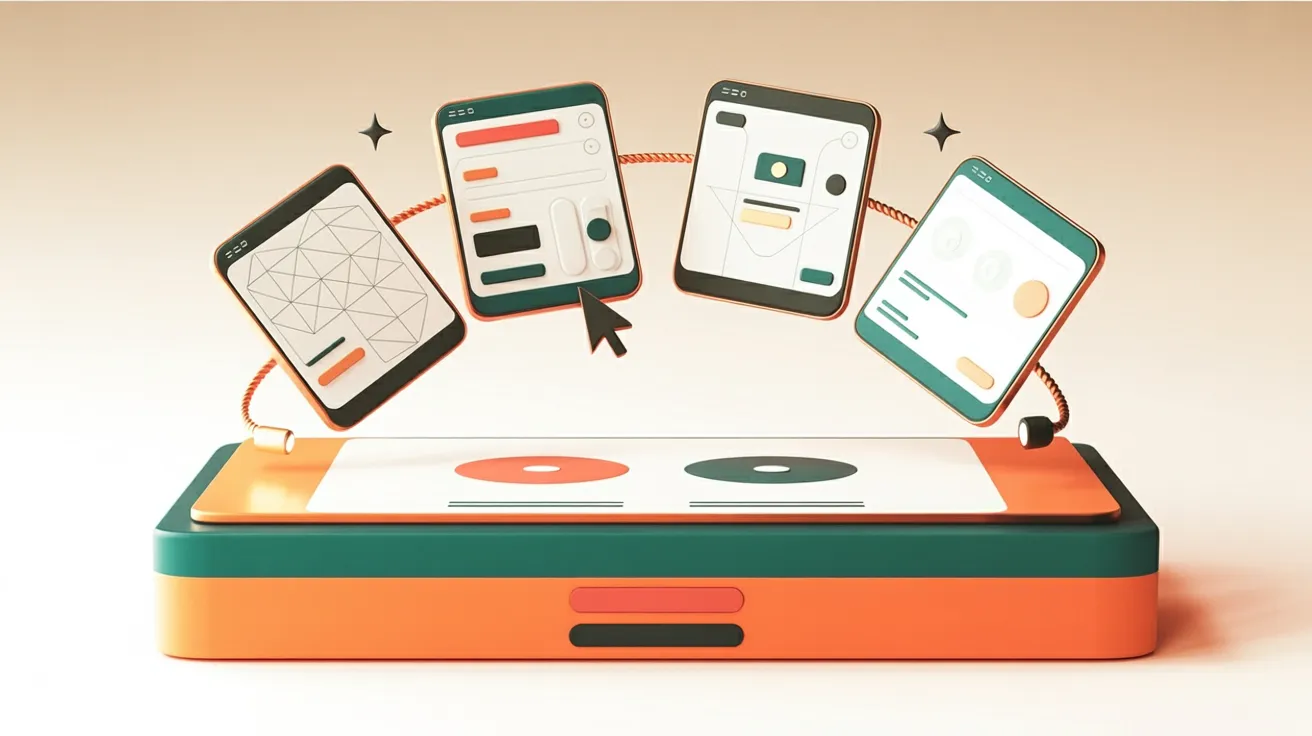
Rapid prototyping is one of the most effective ways to prevent misunderstandings before launch. The result is not a finished product, but a realistic, clickable prototype of the new website — a live preview the client can test.
The difference from a static mockup is significant: a prototype behaves like a real website. Clients navigate through pages, read content in the actual layout and immediately recognise whether the structure works. Feedback comes early — not after launch, when changes become expensive.
When a relaunch has multiple possible directions, rapid prototyping also helps compare variants. Instead of discussing concepts in the abstract, clients react to what they actually see.
CMS evaluation: choosing the system that fits the message
Choosing a content management system belongs in the conception phase — not in implementation. Which system fits depends directly on the content strategy: how much content is there? How often is it updated? Who maintains it?
Choosing the wrong system costs more in the long run than the conception phase itself. A system the team cannot use leads to neglected content. One that is too complex slows down quick updates. One that is too simple prevents future growth.
Noevu evaluates CMS options directly against the client's existing website. For a major Swiss brand, three different systems were recently compared live — each demonstrated on the brand's actual website, not an abstract demo. Decision-makers see exactly what each system can do for their specific content.
When conception ends and design begins
The conception phase is complete when three questions are answered: who visits the website? What should they do or understand there? Why should they trust this company?
From these answers come the website structure, the content requirements and the guidelines for tone and language. Only then does design begin. Not before.
Anyone ready to have a custom website designed after the conception phase builds on a foundation that has already answered the right questions.
| Conception phase | Design phase | |
|---|---|---|
| Question | Why, for whom, with what message? | What does it look like? |
| Methods | UX workshop, personas, Why-How-What, CMS evaluation | Mockups, live prototypes, style guide |
| Output | Structure, content plan, message, system selection | Visual design, components, layout |
| Order | Always first | Always after |
Before design begins, we clarify goals, target audience and message — for a relaunch without surprises.
Frequently Asked Questions
What is the conception phase in a website relaunch?
The conception phase clarifies what the new website should achieve — before a single page is designed. It typically covers target audience analysis, sharpening the message and defining the structure. Only once these questions are answered does design begin. Without conception, there is a real risk of building a visually polished website that solves the wrong problem.
How long does website conception take?
It depends on the scope of the project. For an SME with a clear focus, one to two workshop days are often enough. Larger projects with multiple product lines or target audiences need more time — three to five days is realistic. What matters is not the duration, but that the conception phase is complete before design begins.
What is the difference between conception and design?
Conception answers the what and why: who are the users, what are they looking for, what message should the website carry? Design translates these answers into visuals. Starting directly with design means building on assumptions instead of facts. Conception provides the foundation that makes good design possible.
Does an SME really need a conception phase?
Yes — especially for smaller businesses. Large organisations can absorb mistakes through resources. For an SME, a relaunch is an investment that needs to deliver. Careful conception costs relatively little compared to the total project, but prevents the most common and costly mistakes: wrong target audience, unclear message, too many pages serving too many purposes.
What is a UX workshop and what does it achieve?
A UX workshop puts the people the website is built for at the centre — not the company's assumptions about them. It produces personas: precise portraits of typical users with their goals, questions and obstacles. Pain points reveal where users currently struggle or hesitate. These insights flow directly into the website's structure and content. At Noevu, UX workshops often run online with interactive tools so distributed teams can participate.
What does rapid prototyping mean in a website relaunch?
Rapid prototyping means clients can see and test the future result before the website is finished. Noevu builds live prototypes — clickable, realistic previews of the new website. This replaces assumptions with real feedback and prevents misunderstandings from surfacing only at launch, when changes become expensive.