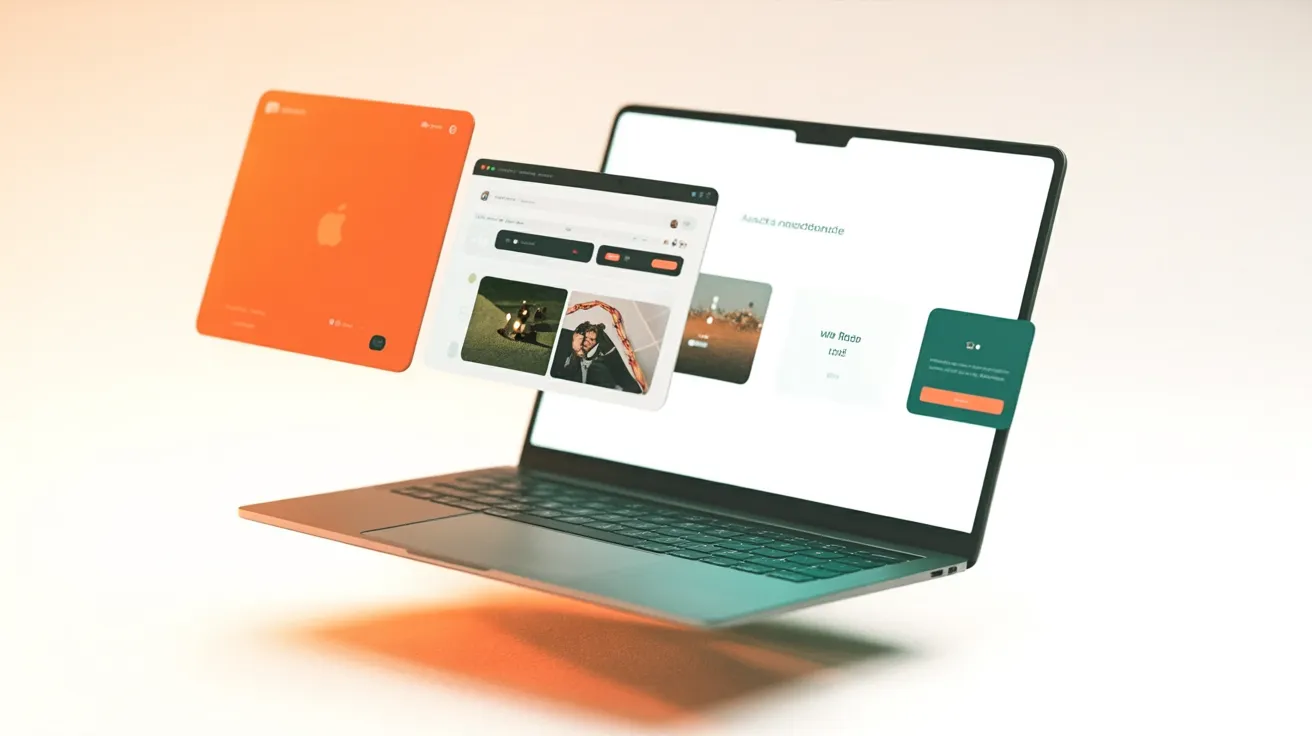
Click an element, change the text, watch the preview update — that is how your team works in Sanity Studio. Several people edit at the same time and see who is working on what. The built-in AI shortens text, translates it into your languages and describes images.

Sanity CMS Agency Switzerland: edit content live on the page
Modern headless CMS with built-in AI and a live editor
When Sanity pays off
For teams that publish often — in several languages
What that means day to day
Three things your team notices every day
Editing on the page
Your team opens a page in the Studio, clicks a section and edits text or image in the panel. The preview follows immediately; a draft stays a draft until you decide to publish.

AI features in the Studio
The Content Agent shortens or expands text, translates posts into your languages and describes images. Every suggestion runs against the content structure before it enters the document.

Together in real time
Several people work in the same document at the same time and see who is changing what. Earlier versions stay in the version history and can be restored with a single click.
Sanity Studio in action
Click, change, see it live
The screencast shows a Noevu demo instance: a website with pages, blog and products in three languages. The page preview on the left, the editor panel on the right. A click on a product opens name and price; the change appears in the preview immediately. One more click publishes.
Benefits and facts
Sanity at a glance
 Open Source
 Open, customisable Studio
The editing interface is open source under the MIT licence. Input forms, views and tools can be tailored to your team.
 Data location
 No server of your own needed
Sanity runs the content store in the cloud, so there is no server or database for you to run. The region is selectable: EU is possible, a Swiss server is not.
 Built-in AI
 AI in the studio
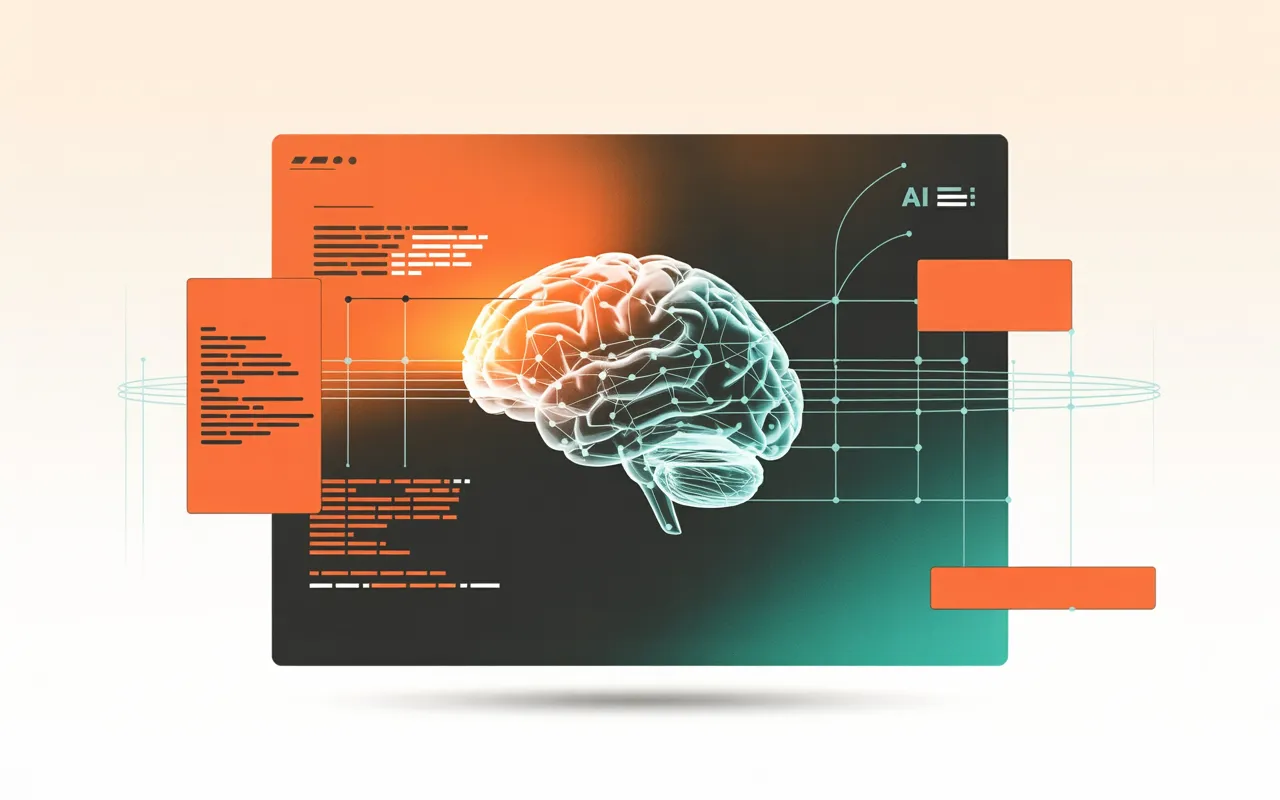
AI assistance is built in: shorten text, translate into your languages, describe images — no extra tool.
 Integrations
 Content for every channel
One API delivers the same content to your website, app or newsletter, maintained in one place.
 Further development
 Grows with your team
New content types, languages or channels are added without rebuilding the system. The service packages cover smaller adjustments.
 Design
 A custom design, not a template
Grid, colours and type are tailored to your brand and stay fixed afterwards, no matter who writes.
 Frontend
 Fast website with Astro or Next.js
The website reads the content through Sanity's API and delivers finished pages. So it loads fast, even on a phone on the go.
Process
From structure to publishing
Understand
Content types, languages, channels
In the first conversation and workshop, we plan the content structure and the functions before a single line of code is written. You see which fields a page needs, who maintains what and which languages are in from the start.

Clickable preview
See the website — before the quote
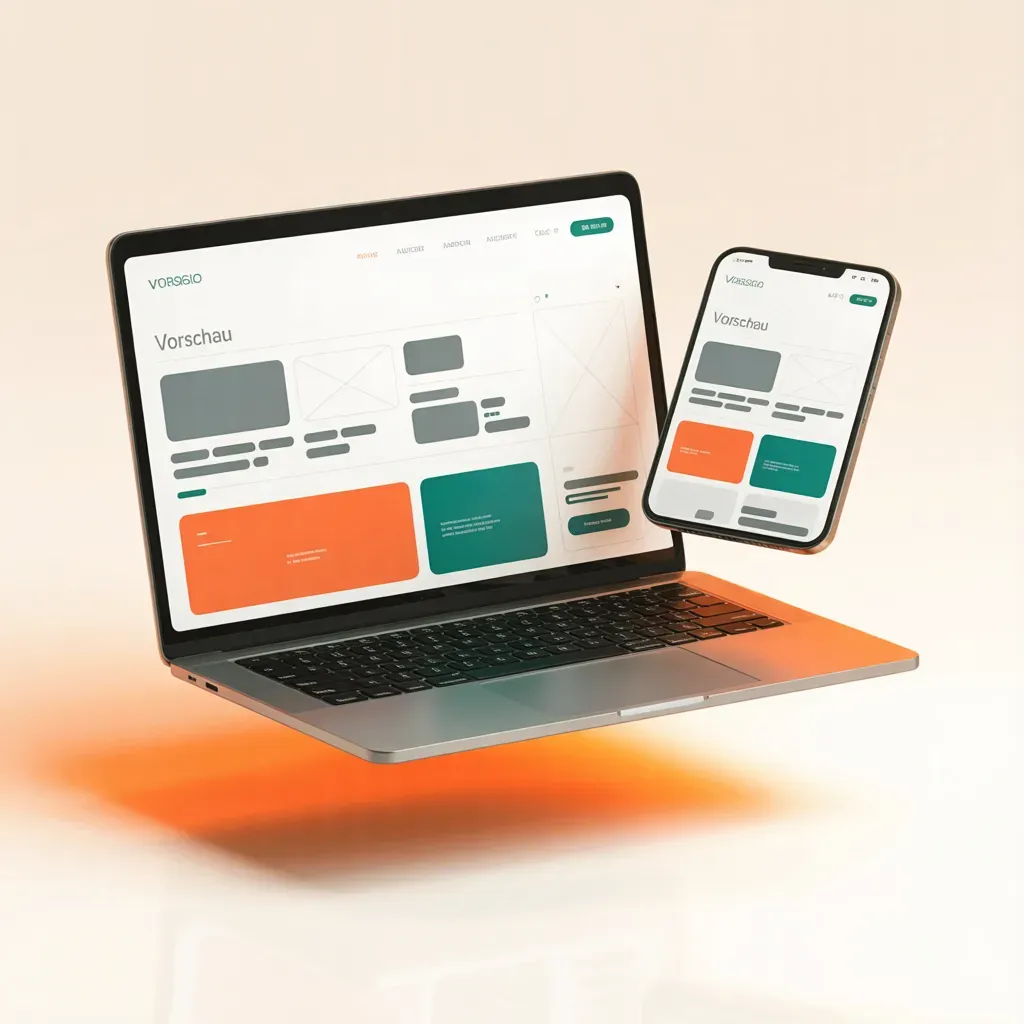
A working preview of the website with real content, built rather than drawn. You click through it and decide on that basis. No pig in a poke.
Build
Structure, Studio, website
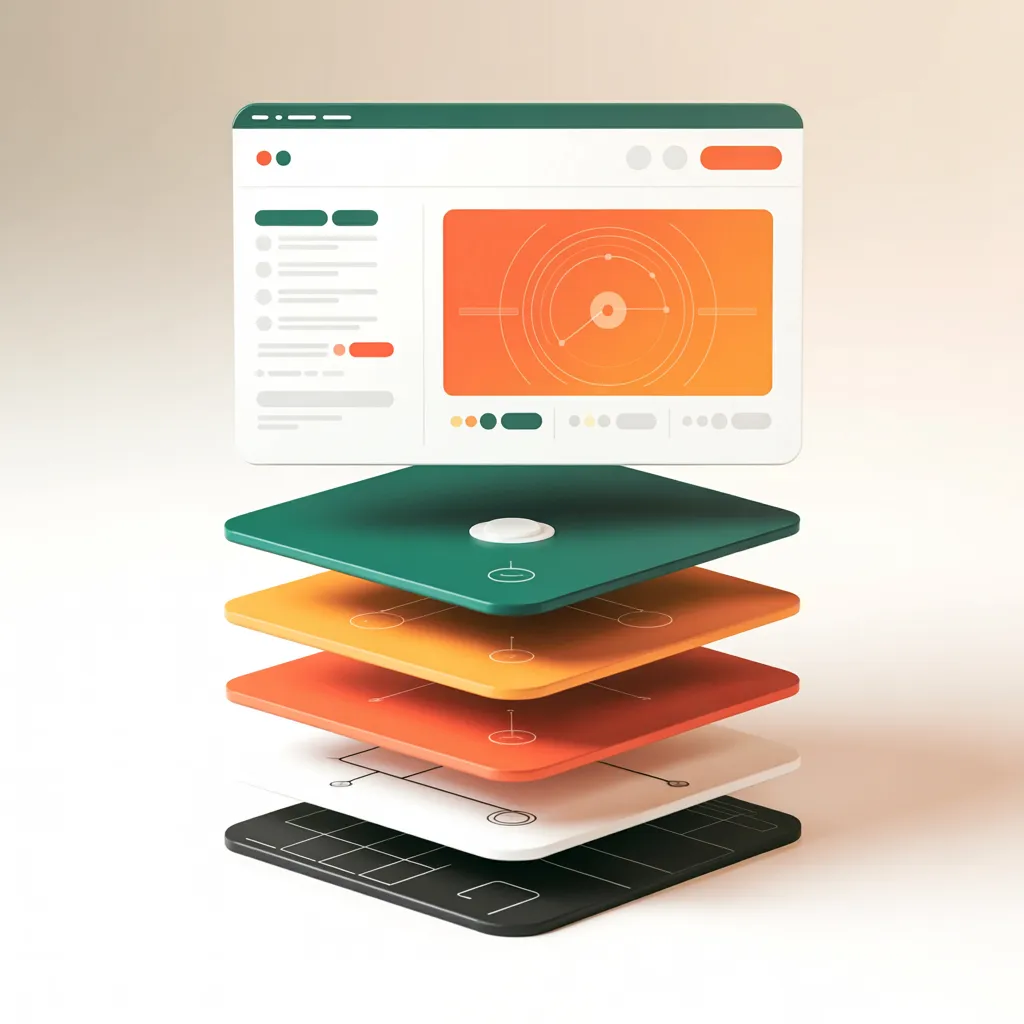
The content structure becomes code, the Studio gets its preview, the website takes shape in Astro or Next.js. Your team gets to know the Studio with real content before the site goes live.
Operation
Your team publishes on its own
Your team publishes, translates and swaps images itself. The service package covers smaller adjustments and further development, and Noevu monitors the system proactively and with AI support.

Your Sanity project starts with a conversation.
A free video call clarifies whether Sanity fits your scope. You discuss content types, languages and the timeline for the build. A binding fixed-price quote follows.

Tips on Sanity CMS
Sanity in detail: articles and context
What Sanity does, what it costs and where the data lives — articles for SMEs choosing a content system.
 Article
Web design11 minSanity CMS: Flexible Headless CMS for Professionals — and When It's Worth It for SMEsSanity CMS is often touted as the most flexible headless CMS on the market. In practice, flexibility alone is not a decision criterion. This article helps you assess whether Sanity fits your SME — …
 Tool
ToolConsulting & conception9 minCMS Check for Swiss SMEs – Free comparison 2026The free CMS check compares Sanity, Payload, Squarespace and WordPress against your company's requirements. Fifteen questions and about five minutes later, you have a recommendation and the reasons…
All CMS articles Answers to common questions about Sanity:
What separates Sanity from Payload and Strapi?
Sanity, Payload and Strapi are all strong headless CMS platforms: easy to use, flexible and connectable through APIs. Sanity stands out with editing directly on the page, real-time collaboration and built-in AI. The Headless CMS agency page puts Sanity, Payload and Strapi side by side.
Where does our content live with Sanity?
In Sanity's own cloud, the Content Lake — on Google servers in Europe, region Belgium. You choose the EU region when you create the project; your own or a Swiss server is not possible with Sanity.
For most SMEs this is unproblematic under Swiss data protection law, because the EU counts as a territory with an adequate level of protection. If your sector requires a Swiss data location, for example in healthcare, the headless CMS overview shows which systems run self-hosted.
Does our team need developers to run Sanity?
No. Day-to-day operation — posts, pages, images, translations — needs no programming skills. Your team works in the Studio, clicks a section on the page and sees every change immediately.
The build needs developers: Noevu creates the content structure, the input forms and the visible website. The design frame — grid, colours, type — stays predefined afterwards, so the look stays consistent no matter who writes. The service packages cover smaller adjustments and further development.
What do the AI features in Sanity Studio actually do?
The Content Agent works directly in the Studio. It shortens or expands text, translates posts into your languages and writes alt text for images. On request it checks hundreds of documents for missing fields or outdated links.
Every suggestion runs against your content structure before it enters the document, so it fits the fields. You decide during the build which features your team uses.
What does a website with Sanity cost?
Building the content structure, Studio and website starts from around CHF 12,000. The price depends on the number of languages, the content types and features such as search, filters or forms. Every project gets a binding fixed-price quote — no hidden costs.
On top come Sanity's own fees. The free plan covers many SME websites; above that, Sanity starts at around CHF 12 per user per month (converted from USD 15). Website hosting and the service package come on top; both are listed in the quote.