Payload runs on servers in Switzerland that you own or choose. The editorial system is part of your application: calculators, portals with login, forms and multilingual content in one interface.

Payload CMS agency: websites and applications in one system
Modern headless CMS with Swiss data sovereignty
When Payload pays off
For websites that grow with you and keep data in Switzerland
More than a website
What gets built with Payload
Websites with structure
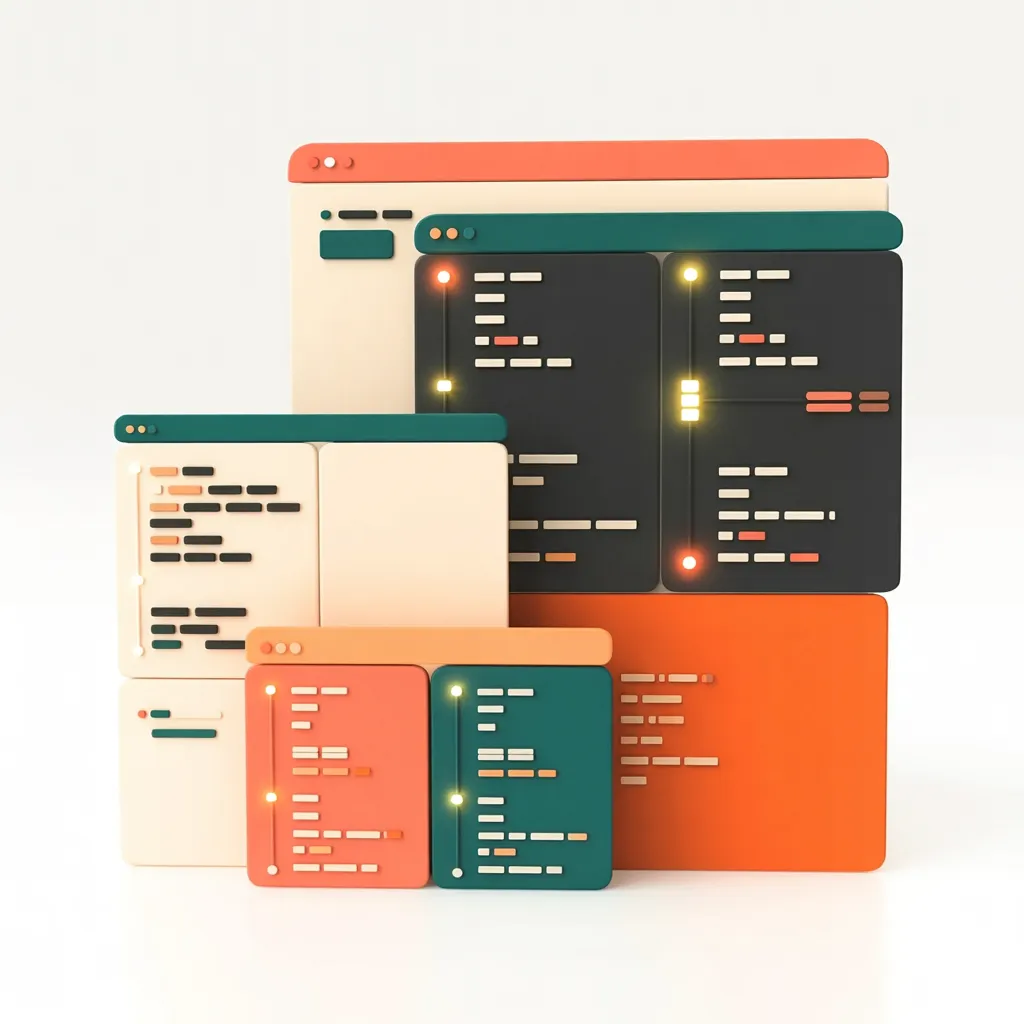
Pages, news, documents and FAQs each get their own fields and rules. The editorial team maintains them with preview, no developers needed.

Multilingual presences
German, French, Italian or English in one interface: every page has its own translation, and the status is visible at any time.
Applications in the same system
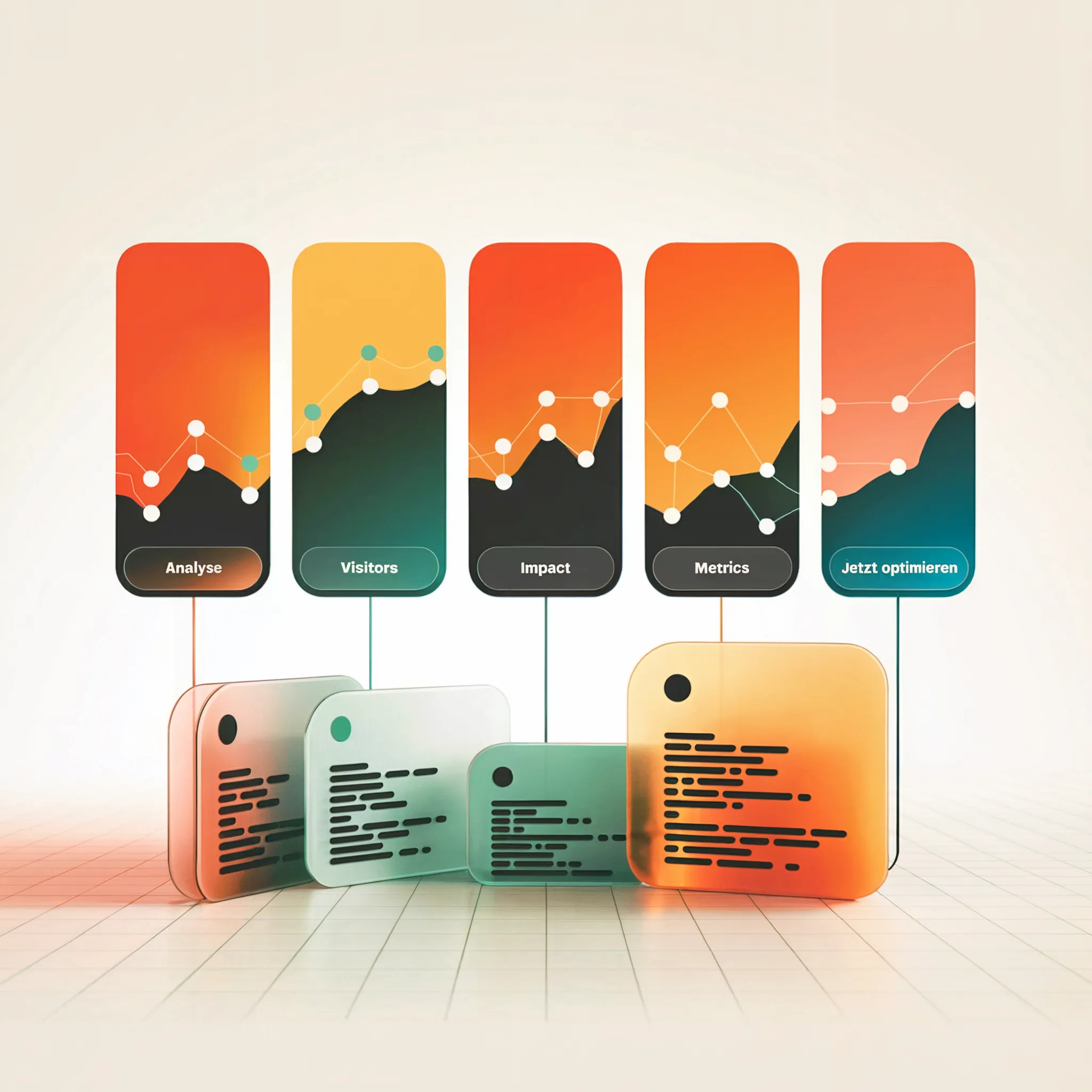
Calculators with live results, portals with login and forms connected to your database, for when the website needs to do more.
Payload in action
Edit, and the page shows it instantly
The screencast shows the Payload admin: someone edits a section of the homepage, with the preview of the page running right beside it. Every change appears there at once — as a draft, before it goes live.
Benefits and facts
Payload at a glance
 Open Source
 Payload is yours
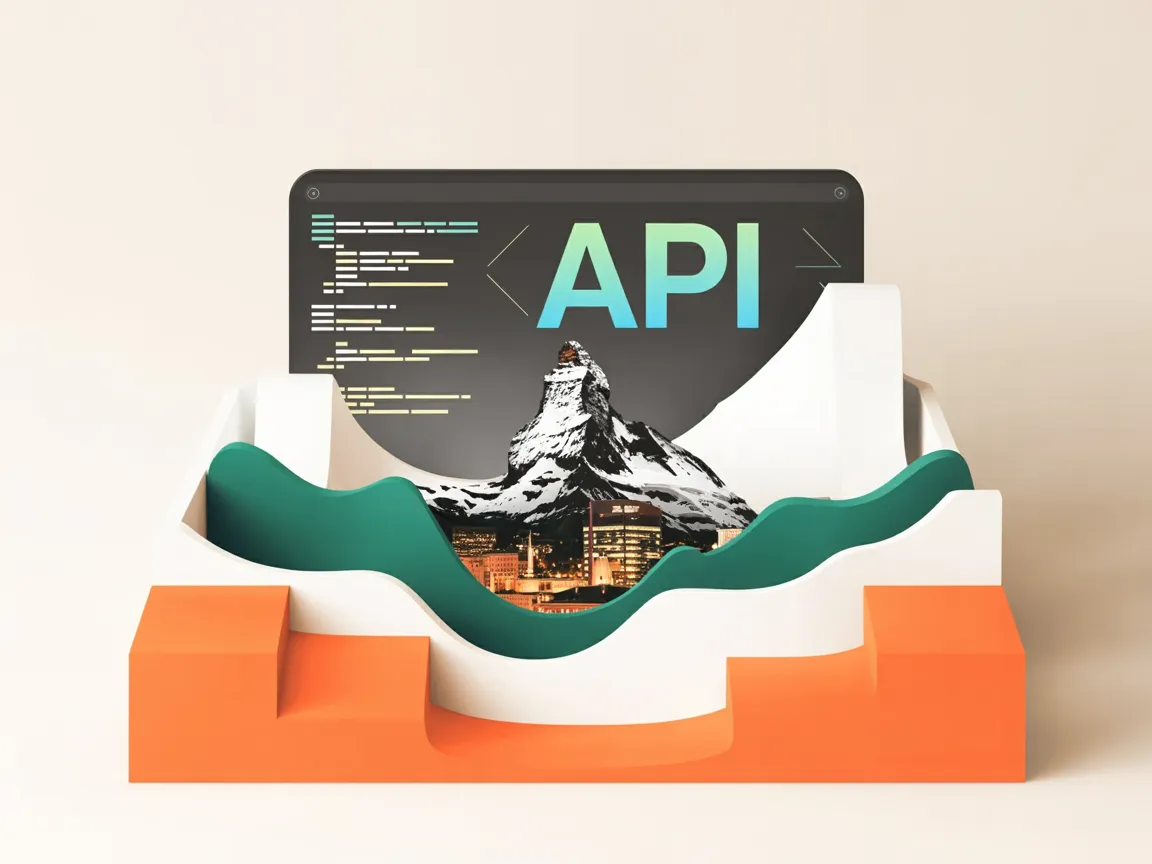
The MIT licence costs no fee and ties you to no vendor. The source is open, and the finished system belongs to you with the project.
 Data location
 Servers in Switzerland
Payload is self-hosted on infrastructure you own or choose — a Swiss data centre included.
 Design
 A custom design, not a template
Grid, colours and type are tailored to your brand and stay fixed afterwards, no matter who writes.
 Build
Build Application and editing in one
Calculators, portals and forms live in the same installation as the editorial system and access the same data directly.
 Editing
 Live preview and versions
The editorial team sees every change in the live preview next to the form before it goes online. Drafts and earlier versions are built in.
 Frontend
 Fast website with Astro or Next.js
The website reads the content through Payload’s API and delivers finished pages. So it loads fast, even on a phone on the go.
The process
How your Payload platform comes together
First call and prototype
See it before you decide
The first call clarifies goals, audiences and data flows. From there a clickable prototype with real functions takes shape before any contract is signed, with a calculator, a form or a search, depending on what you need. You decide on the basis of a working website.

Data model and input forms
The system takes your shape
Pages, documents, news, FAQ: every content type gets its fields and rules. Roles, permissions and languages are part of the model from day one. In parallel, we build the website with Astro or Next.js, inside your brand's design framework.
Content and translation
Your team takes over
Your team maintains content with live preview, AI drafts the translations, and approval happens in the editorial system. A short handbook and an introduction are enough to get started. Another language is simply added as a translation of your existing content.
Launch and further development
New features in daily operation
After launch the platform keeps growing: a searchable FAQ, an appointment calendar, PDF documents generated from the content or a new language are added as extensions. Smaller adjustments are covered by the service package, and updates and security run as part of the hosting. What you notice in daily use becomes the next step.
Your Payload platform starts with a conversation.
A first call clarifies whether Payload fits your project and what a first prototype could look like. A binding fixed-price quote follows.

Brilliant — I'm really happy, the site looks fantastic. After an intensive and exceptionally productive collaboration everything runs smoothly; the new website presents the foundation in a modern, accessible way. Many thanks for the enormous effort — much appreciated.
Articles and projects on Payload CMS
Payload in practice
The in-depth article on Payload and the VRM Gebäudetechnik project report show how the system works day to day.
 Project
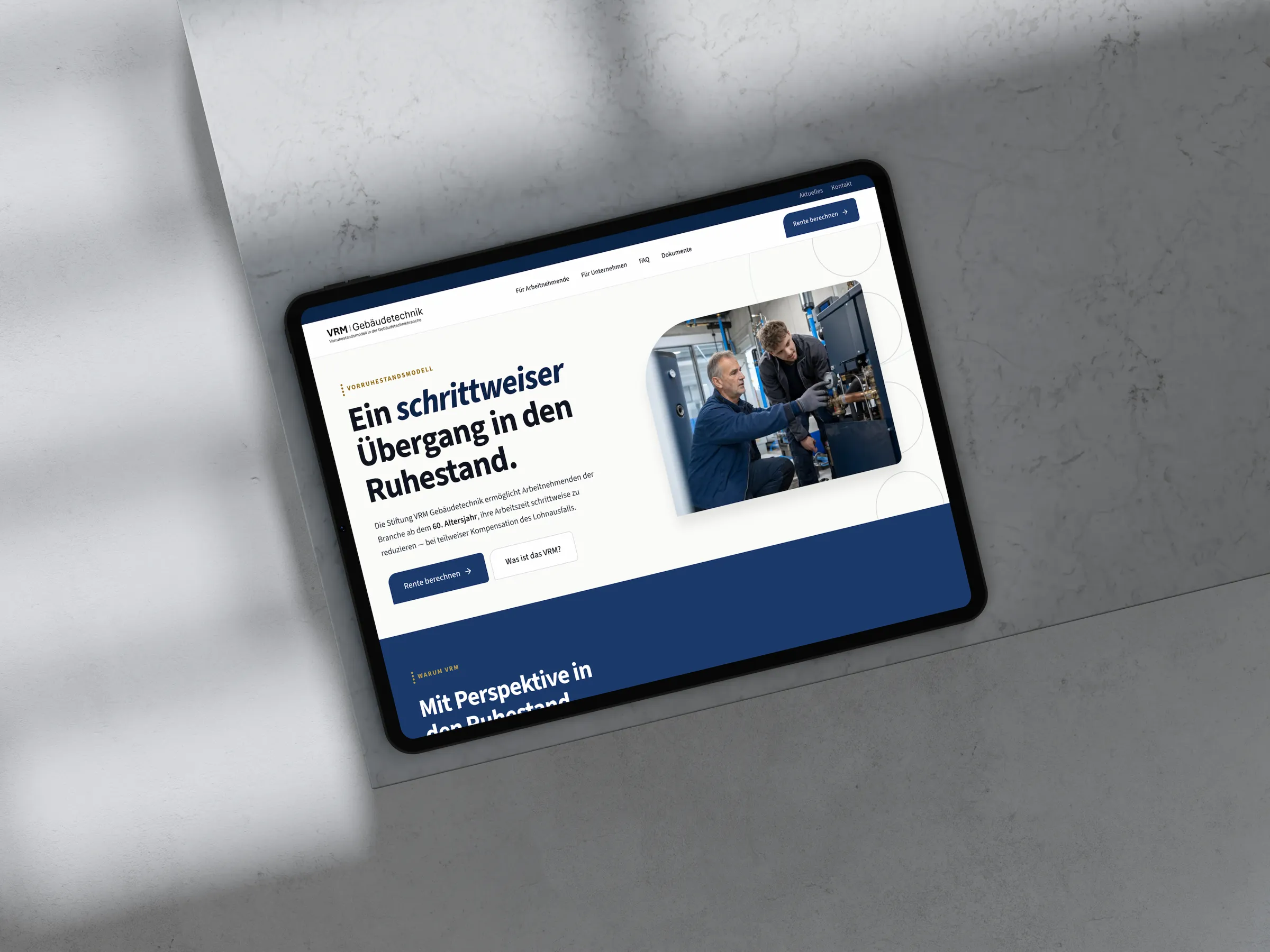
Web design7 minPension platform for building services — calculate your own pension liveVRM Gebäudetechnik launched as a new pension foundation with no website — and a model two audiences first need to understand. A working prototype built before the contract was signed became a trili…
 Article
Web design12 minPayload CMS: The Headless CMS for the AI Age — and Your Data Stays in SwitzerlandPayload CMS openly positions itself as the headless CMS for the AI age — with built-in AI features and an open interface for AI assistants. For an SME, what matters is not the hype but what remains…
 Tool
ToolConsulting & conception9 minCMS Check for Swiss SMEs – Free comparison 2026The free CMS check compares Sanity, Payload, Squarespace and WordPress against your company's requirements. Fifteen questions and about five minutes later, you have a recommendation and the reasons…
All posts Answers about Payload CMS
What sets Payload apart from Sanity and Strapi?
All three systems come with a good editing interface, adapt flexibly and grow with you over the years. Payload runs self-hosted, in Switzerland too, and brings calculators, portals and forms into the same application. The headless CMS overview puts Sanity, Payload and Strapi side by side.
Where does the data live with Payload?
On the server you decide on. Payload is self-hosted: content, user accounts and form entries sit in your database, for example with a Swiss provider such as Infomaniak. The editorial system itself needs no third-party cloud. For sectors such as pensions, healthcare or finance this is often a requirement; for everyone else it is a piece of independence. Noevu runs the server as part of the hosting, or your IT team takes it over if you prefer.
Who maintains the content after launch?
Your team, without developers. Noevu handles the build: data model, input forms, design and the visible website. After that your team maintains pages, news, documents and translations on its own, with live preview and draft status. The design framework acts as protection: colours, grid and typography are predefined, so the look stays consistent no matter who writes. A platform in several languages stays in the hands of your own team just as well.
What happens when the platform needs to grow?
The platform grows with you. New functions such as a searchable FAQ, a customer portal or another language are added as extensions, without rebuilding the system. Smaller adjustments are covered by the service packages at no extra budget. Updates and security run as part of the hosting, and Noevu monitors the system proactively with AI support. Because the content already sits in the data model, every new function builds on it instead of starting from scratch.
What does a website with Payload cost?
Building a Payload platform starts from around CHF 12'000. The price depends on the data model, functions such as a calculator or portal, and the number of languages. The software itself is free, with no licence fees. Hosting and operations come on top as a running cost. Every project gets a binding fixed-price quote, so the scope is settled before work starts. A prototype ahead of the quote shows you what you are paying for.